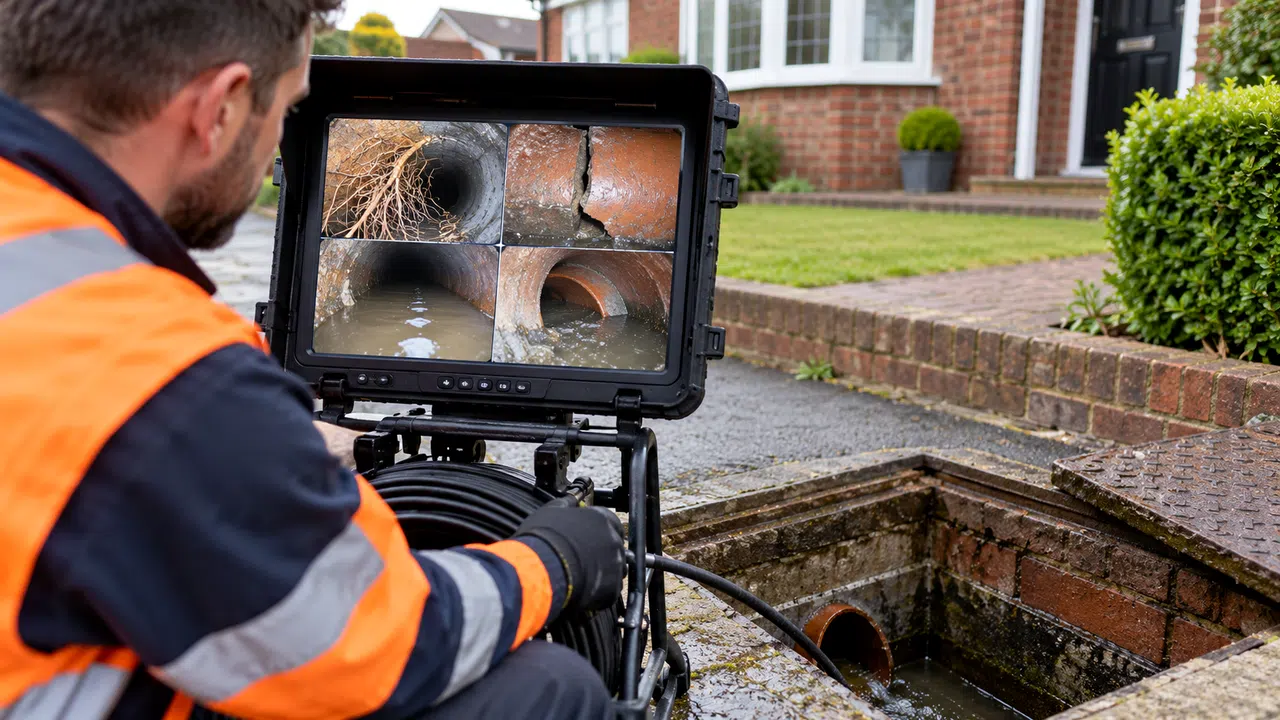
Illustrative image of the relevant drainage feature or investigation.
The short answer
A repair may address one defect while leaving another cause untouched. Repeated blockages can follow poor gradients, a remaining root entry point, an unsuitable patch, misplaced debris or an obstruction farther downstream.
Match the remedy to the defect
A repair ought to correct an identified problem, not just the symptom that brought the contractor out. Cleaning, localised repair, lining and replacement each have a place, but none is right for every drain. The shape, fall, access and condition of the host pipe can rule methods in or out.
What matters in this situation
Compare the location of each blockage with the original survey and repair record. Ask whether a post-repair camera inspection was completed and whether it showed a clear bore and functioning junctions.
What the previous work actually fixed
A blockage may return because only the accumulated waste was removed, while the joint displacement, root entry or inadequate fall remained. Even a genuine repair can fail to solve the whole problem if there is another defect farther downstream. Ask whether the previous contractor cleared, patched, lined or replaced the pipe; those descriptions are not interchangeable. A receipt saying “drains repaired” does not reveal what was done.
Use earlier evidence to avoid starting again
Gather the original CCTV recording, defect locations, repair specification, guarantee and post-repair inspection. Compare the new blockage location with the repaired section. If the problem is again at the same point, consider whether the repair failed or an adjacent joint has deteriorated. If it occurs elsewhere, the causes may be unrelated. A proper survey should follow the water flow and consider branches rather than repeatedly treating the nearest accessible chamber.
Questions before paying for a second repair
Ask the contractor to explain why the first solution was insufficient, whether any warranty applies and what the new proposal would change. An open inspection chamber can be dangerous, so leave investigations to competent people. If long sections of pipe are being recommended for replacement, request evidence for each affected section and compare trenchless options with targeted excavation. Check ownership again if the investigation reaches a shared or public sewer.
The sensible next step
The useful next step is evidence, not another identical clearance. Ask the original contractor to explain what was repaired, what remained uninspected and whether the work is covered by a written guarantee.
Before authorising expensive work
Obtain a written scope, evidence of the defect and what happens if additional damage is discovered. Ask whether reinstatement and a post-repair camera check are included. A second opinion can be sensible where the proposed work is extensive.
For guidance on agreeing work with a contractor see Citizens Advice on home improvement work.
Do not pay to fix the same symptom twice
Before agreeing to a second excavation, check whether the original repair was intended to remove the blockage or correct the structural cause. If the first visit was only jetting, it might never have been a permanent repair. If a patch or liner was fitted, the post-installation recording should show whether it remained correctly placed and whether adjacent joints were left untreated. Request a plan marking the new obstruction relative to the previous work. Different contractors may describe the same defect in different terms, so ask them to point to the footage rather than rely on labels. If the first work carries a guarantee, contact the installer and check its obligations. Where the new diagnosis differs materially, a second independent opinion can help prevent unnecessary replacement of sound pipework.
Need a local drainage specialist?
If investigation or repairs are needed, you can use MyJobQuote to request contact from local drainage tradespeople.
Get quotes from local drainage specialists ↗